Read the whole place.
The house, access, water, outbuildings, acreage, weather, animals, maintenance, and daily routines are connected. The note begins by showing those relationships instead of treating them as separate features.
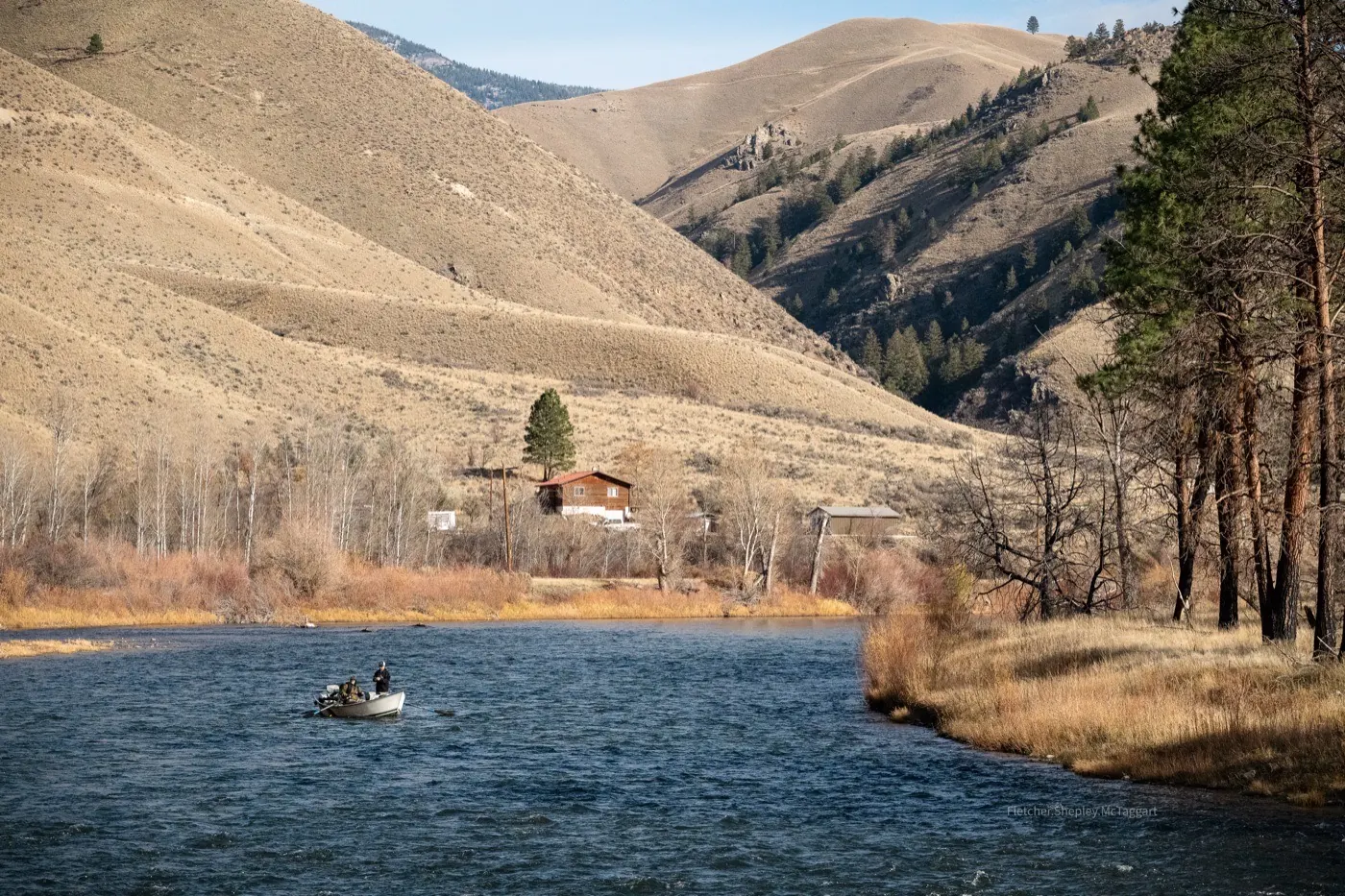 Photography by Fletcher Shepley-McTaggart
Property Field Notes
These are close reads of properties, photographs, land, systems, and the small practical details that help a place make sense.
A working point of view
“A property can tell a better story the second time around.”
Field Notes is where Fletcher revisits the details that disappear in a standard listing: how the property is approached, where the useful sequence begins, what the land asks of its owner, and which questions a serious buyer will need answered next.
The house, access, water, outbuildings, acreage, weather, animals, maintenance, and daily routines are connected. The note begins by showing those relationships instead of treating them as separate features.
A useful visual sequence does more than make a property attractive. It establishes orientation, scale, movement, use, and the reasons the right buyer should keep looking.
Owners carry the story behind the improvements, routines, changing light, seasonal access, favorite gathering places, and overlooked advantages. That lived knowledge belongs in the conversation.
The first Field Notes series
Fletcher steps into the frame to read notable listings, Hamilton history, unusual Montana properties, and the details other people may have passed over. It is a video series—and an open invitation.
Bring Fletcher the next property →Start the next note
Send the listing, the question, and the part of the story you believe people have missed.